
Deep Venous Thrombosis (DVT) Treatment
Conditions > > Bondi Vein Clinic
What Is Deep Venous Thrombosis (DVT)?
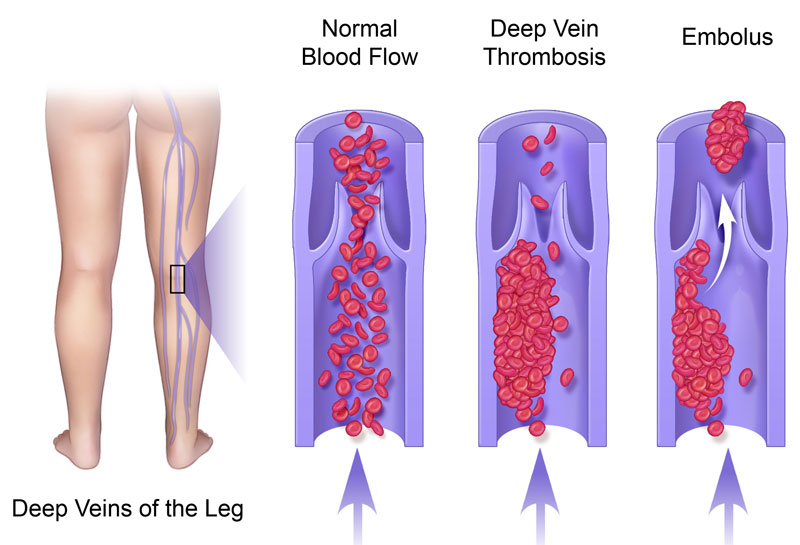
Deep vein thrombosis (DVT) occurs when a blood clot (thrombus) develops in a deep vein, most commonly in the leg, although it can also occur in the arm or pelvic veins. Prompt diagnosis and appropriate deep vein thrombosis treatment are important because a clot can potentially break loose and travel to the lungs, causing a pulmonary embolism (PE), which can be life-threatening.
Other long-term effects of DVT are leg pain, persistent redness, and swelling of the affected vein's skin.
Symptoms of Deep Venous Thrombosis (DVT)
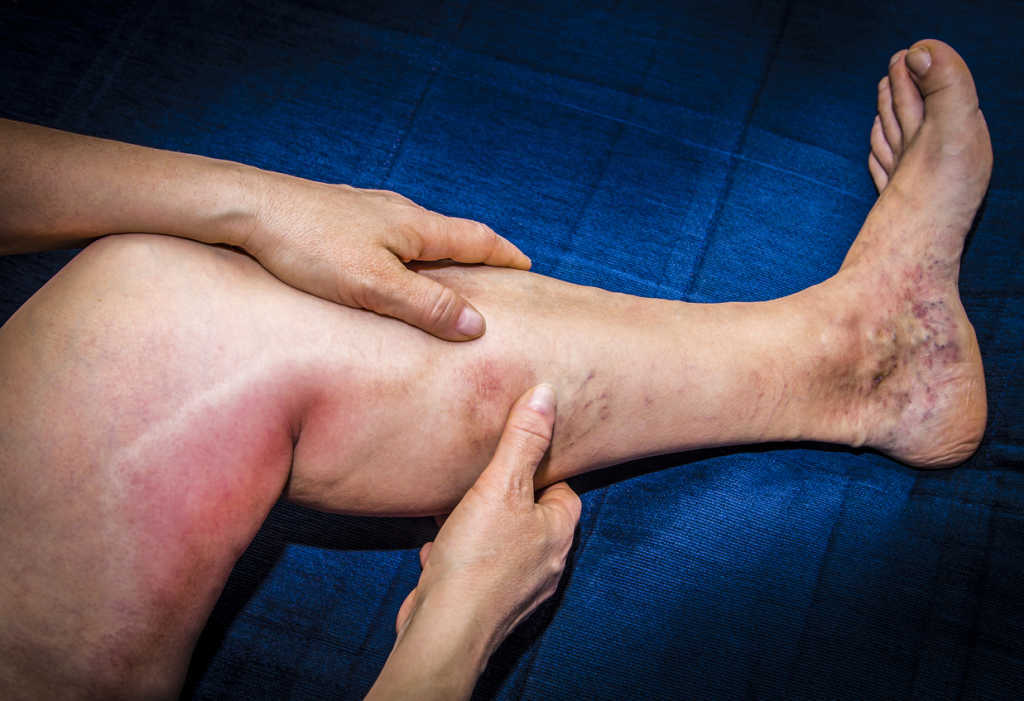
Some symptoms of deep vein thrombosis (DVT) may include:
- Swelling
- Pain
- Warm skin
- Discolouration of the skin
Other conditions can also cause similar symptoms to DVT and require medical evaluation. If the symptoms are suggestive of DVT, get immediate medical help, especially if the symptoms are combined with chest pain, shortness of breath or coughing up blood.
(02) 9369 2009Risk Factors for Deep Venous Thrombosis (DVT)
Factors that may increase the risk of deep vein thrombosis (DVT) include:
- Varicose veins
- Surgery
- Trauma
- Bone fractures
- Immobility for long stretches, including long-distance air travel
- Cancer
- Pregnancy
- Oral contraceptive pills
- Hormone replacement therapy
- Other risk factors include family history, obesity, and increased age.
Why Prompt Assessment Matters
The symptoms of DVT are not always specific to a blood clot, and some people may have few or no symptoms. This makes it important to consider symptoms alongside individual risk factors and appropriate medical investigations.
Early assessment can help determine whether a blood clot is present and whether deep vein thrombosis treatment is required. At Bondi Vein Clinic, we may consider factors such as recent surgery or hospitalisation, prolonged immobility or travel, previous DVT, certain medical conditions, pregnancy, medications and other individual risk factors.
ContactAssessment and Treatment for Deep Vein Thrombosis
If a DVT is suspected, it is important that medical assessment takes place early in the course of the disease. To confirm the presence of a blood clot, an ultrasound may be ordered to see if a blood clot is present, and to find out the size and location of the blood clot.
Additional tests may include blood tests and, if applicable, tests to check for any underlying or inherited factors that may be involved in developing DVT.
Management may involve:
- Anticoagulant medication as clinically appropriate
- Medical review and ongoing monitoring
- Follow-up ultrasound examinations where required
- Assessment of individual risk factors and medical history
The type and duration of treatment depend on factors like the location and extent of the clot, underlying risk factors, and the patient's overall health. The decision on treatment and medication should be based on individual clinical findings and made by the treating doctor.

Deep Vein Thrombosis Treatment
The approach to deep vein thrombosis treatment varies from person to person. Treatment is determined by Bondi Vein Clinic's specialists based on the location and extent of the clot, risk factors, overall health and the likelihood of complications.
Management may include:
- Anticoagulant Medication: Medicines that reduce the blood's ability to clot may be prescribed to prevent the existing clot from growing and reduce the risk of new clots.
- Medical Monitoring: Follow-up appointments may be required to assess symptoms, treatment response and any potential complications.
- Follow-up Investigations: Further ultrasound examinations or other investigations may be recommended depending on the individual's circumstances.
- Assessment Of Underlying Risk Factors: Your doctor may review your medical history and relevant risk factors to help guide ongoing management.
- Compression Treatment: In selected patients, compression may be recommended to help manage swelling and other symptoms, depending on individual clinical circumstances.
The type and duration of treatment vary depending on the individual. Medication should only be taken as prescribed, and treatment decisions should be made by a qualified medical professional after assessing your specific condition.
(02) 9369 2009Can DVT Cause Long-Term Vein Problems?
Some people experience ongoing symptoms after a DVT, including swelling, discomfort, heaviness or changes in the appearance of the skin. These symptoms can be associated with post-thrombotic syndrome and may require ongoing medical assessment.
It is important to distinguish DVT from other types of vein conditions. For example, superficial spider veins are different from a deep vein blood clot and are generally managed differently. Cosmetic or symptomatic superficial veins may sometimes be treated with procedures like sclerotherapy, depending on the type and location of the vein.
Similarly, treatments like Endovenous Laser Ablation are used for selected superficial venous conditions, such as problematic varicose veins, rather than as a routine treatment for an acute DVT.
When Should You See a Vein Specialist?
If you develop unexplained swelling, pain, warmth or skin discolouration in one leg or another limb, prompt medical assessment is important, particularly if you have risk factors for DVT.
A vein specialist can assess your symptoms, medical history and circulation and determine whether further investigations are required. If your concern relates to visible veins rather than symptoms suggestive of DVT, a vein removal doctor in Sydney can also assess whether the veins are suitable for an appropriate treatment.
For facial veins, the assessment and treatment approach is different from that used for DVT. Patients concerned about visible facial veins can discuss suitable options for facial spider veins treatment with a qualified vein specialist.
ContactSpeak With Bondi Vein Clinic
If you are concerned about DVT, or need a professional evaluation of a vein condition, please call Bondi Vein Clinic to learn your next steps. Our Bondi Junction practice is open for consultation: please call (02) 9369 2009 to book a consultation.
If symptoms occur which could be a medical emergency, for example, sudden shortness of breath or chest pain, call for emergency medical assistance immediately.