
Venous Ulcers
Conditions > > Bondi Vein Clinic
What Are Venous Leg Ulcers?
A venous leg ulcer is a long-lasting open sore that typically develops on the lower leg, often above the ankle, when problems with venous circulation contribute to increased pressure and changes in the surrounding tissues. Appropriate venous leg ulcer treatment at Bondi Vein Clinic includes caring for the wound while also assessing and managing the underlying venous problem.
The skin surrounding an ulcer can be discoloured, hardened, swollen or irritated. If infection does occur, there will also be an increase in pain, redness, swelling or discharge, which will need to be medically assessed.

Symptoms of Venous Leg Ulcers
Symptoms associated with venous leg ulcers may include:
- Pain
- Itchiness
- Swelling of the affected leg
What Causes Venous Leg Ulcers?
Venous ulcers are caused by chronic venous stasis of blood in the dependent portion of the leg (CVI or chronic venous insufficiency), which is usually secondary to chronic varicose veins. The build-up of blood in the lower portions of the leg causes the skin to become swollen and itchy, and to deteriorate and discolour, which can, in turn, cause skin breakdown, at least after a relatively slight injury.
Probable reasons
- Obesity
- Immobility
- Smoking
- Previous deep venous thrombosis (DVT)
Assessment and Management of Venous Leg Ulcers
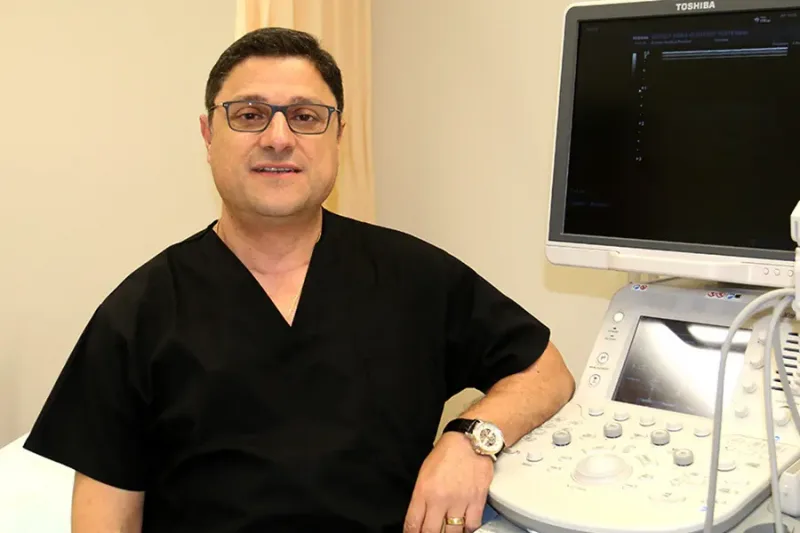
Treatment of a venous leg ulcer begins with the diagnosis of the circulation issue. Doppler ultrasound can be performed at Bondi Vein Clinic to evaluate the superficial and deep venous systems and determine if there is any venous reflux or incompetent veins causing the problem.
If you are looking for a vein specialist near you to assess whether an underlying venous condition is contributing to a persistent leg ulcer, a clinical assessment can help identify the appropriate next steps.
- Appropriate wound care and dressings
- Compression therapy where suitable
- Management of swelling and associated venous disease
- Treatment of infection when clinically present
- Assessment and treatment of underlying incompetent veins
Compression is an important part of managing many venous leg ulcers. But circulation should be appropriately assessed because compression is not suitable for every patient. Antibiotics may be required when there are clinical signs of infection rather than being routinely used for all venous ulcers.
If underlying venous reflux or varicose veins are identified by ultrasound, treatment of an appropriate affected vein may also be indicated. Endovenous Laser Ablation (EVLA) or ultrasound-guided sclerotherapy may be performed at Bondi Vein Clinic, depending upon the location, anatomy and ultrasound findings.
Management plans will vary based on the ulcer and underlying circulation, as well as individual clinical findings.

Assessment for Other Venous Conditions
A venous assessment may also identify other conditions that require separate investigation or management. For example, patients with symptoms or clinical findings suggestive of deep vein thrombosis may require an appropriate medical assessment, while patients with visible facial veins may be referred for facial spider veins treatment where clinically indicated.
Patients who also have varicose veins can discuss their concerns with the clinical team. Those researching varicose vein doctors in Sydney can arrange an assessment to understand whether underlying venous reflux or other venous disease may be contributing to their symptoms.
Management plans will vary based on the ulcer and underlying circulation, as well as individual clinical findings.
Arrange a Vein Assessment Today
If you have a leg ulcer that has been present for a significant amount of time, or you've been informed that your venous condition may be contributing to your leg ulcer, make an appointment to see Bondi Vein Clinic. Talk to our team about your vein problem and what you can do next.
To book a consultation at the Bondi Junction clinic, please call (02) 9369 2009.
(02) 9369 2009